Afrovibes 2026

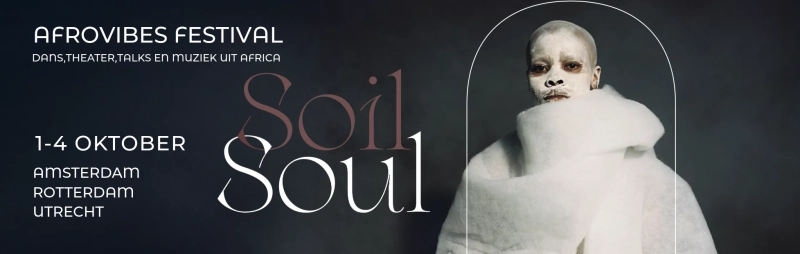
1 oktober – 4 oktober

Afrovibes Festival brengt actuele dans, theater en muziek van makers uit Afrika en de Afrikaanse diaspora in Nederland. Vanuit een Afrikaans perspectief geven zij artistieke vorm aan urgente vragen die wereldwijd spelen: over identiteit, verbondenheid, geschiedenis en de toekomst. Verhalen en perspectieven die vaak onderbelicht blijven, krijgen via eigenzinnige en prikkelende voorstellingen een podium.

SOIL | SOUL

Het festivalthema van Afrovibes 2026 is Soil | Soul. In een wereld waarin land steeds vaker inzet is van conflict en macht, onderzoeken Afrikaanse makers de betekenis van land, afkomst en spirituele verbondenheid. In veel Afrikaanse wereldbeelden is land meer dan territorium: het is een bron van herinneringen, voorouders, rituelen en identiteit. Wat betekent het om verbonden te zijn met de grond waarop je leeft? En wat gebeurt er als je wordt losgemaakt van je oorsprong?
Zie hier de volledige Afrovibes agenda op de Africaserver

Meer info & tickets op afrovibes.nl

Dinsdag 03 December 2019

dinsdag03.12
ASC, Pieter de la Court building, Leiden—lezing en debat
Stephen Ellis Annual Lecture by Emmanuel Akyeampong: Spirituality, Culture & Political Power in Early Independent West Africa
Dinsdag 03 December 2019 18:00 - 20:00

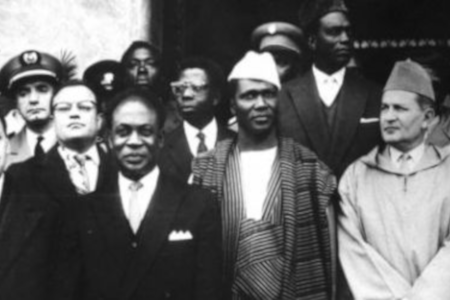
In his work Stephen Ellis probed the continuing influence of indigenous religions and cultural idioms and understandings of power on contemporary politics in West Africa. In this memorial lecture named after Stephen Ellis, Prof. Emmanuel Akyeampong draws on his insights to explore the nexus of spirituality, culture, and political power in the connected lives of three first generation African nationalist leaders: Kwame Nkrumah of Ghana, Sekou Touré of Guinea, and Leopold Senghor of Senegal. Mission-educated (Catholic) in the cases of Nkrumah and Senghor, with the former even considering a priestly vocation and the latter deeply influenced by his Catholic faith, the exigencies of political power and nation-building necessitated reaching out to different religious constituencies. Imagining the African nation-state opened doors to various ethnic cultural influences. These processes were not unambiguous, unsurprisingly, and this first generation of nationalist political leaders – in their experiments with secular, modern African nation-states – would bequeath multiple registers that continue to shape modern politics in contemporary Africa. Emmanuel Akyeampong is the Ellen Gurney Professor of History and of African and African American Studies and Oppenheimer Faculty Director of the Center for African Studies at Harvard University. Please register

ascleiden